
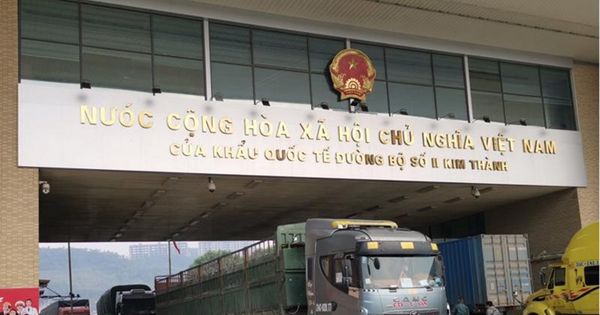
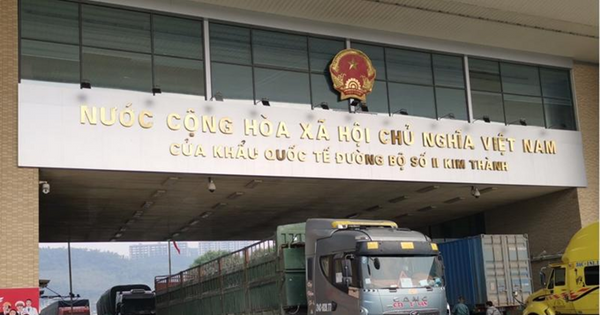
Overview of Decision 453/QĐ-TTg on Smart Border Gates
On March 18, 2026, Deputy Prime Minister Ho Duc Phoc officially signed Decision No. 453/QĐ-TTg, approving a landmark project to develop smart border gates at the Kim Thanh road bridge and the Ban Vuoc opening within the Lao Cai International Border Gate area. This initiative represents a significant leap forward in Vietnam’s efforts to modernize its trade infrastructure and streamline cross-border logistics with China.
The project focuses on integrating cutting-edge technologies to create a seamless, automated environment for the movement of goods. By leveraging Artificial Intelligence (AI) and the Internet of Things (IoT), the government aims to transform these strategic points into high-efficiency hubs that support the growing demands of international trade and cross-border e-commerce.
Key Takeaways for Logistics Managers
- Capacity Expansion: The project aims to double the cargo handling capacity at Kim Thanh and Ban Vuoc by the year 2030.
- Cost Reduction: Logistics costs are projected to decrease by 20% to 30% for enterprises utilizing fully automated smart transport vehicles.
- Trade Targets: The total import-export value through these specific gateways is expected to reach approximately $9 billion.
- Technological Shift: Implementation of AI, IoT, and fully automated smart vehicles will redefine traditional border procedures.
- Infrastructure Connectivity: Enhanced links between border gates, inland dry ports (ICDs), railway systems, and national highways.
Technological Integration: AI, IoT, and Automated Vehicles
The core of the smart border gate model is the application of advanced technology to replace manual processes. The project emphasizes the use of AI for data processing and IoT for real-time tracking of goods and vehicles. This digital transformation is designed to optimize customs clearance and reduce the physical bottlenecks that often plague traditional border crossings.
A standout feature of the proposal is the introduction of fully automated smart transport vehicles. These vehicles are expected to operate within dedicated lanes, ensuring a continuous flow of cargo without the delays associated with human-operated trucks. As a domestic trucking and logistics operator in Vietnam, Lê Chân Logistics closely monitors these infrastructure developments to ensure our clients can eventually leverage these automated systems for faster turnaround times.
Beyond automation, the project aims to modernize multimodal logistics infrastructure. This includes creating more effective connections between the border gates and the wider transport network, such as the North-South expressway and the national railway system. Such integration is vital for positioning Lao Cai as a primary trade gateway between ASEAN countries and the Southwest region of China.
Implementation Roadmap for Kim Thanh and Ban Vuoc
The development of these smart border gates will follow a structured timeline starting in the second quarter of 2026. The roadmap is divided into specific phases for each location to ensure systematic upgrades to infrastructure and legal frameworks.
Timeline for Kim Thanh Road Bridge
At the Kim Thanh road bridge crossing, Phase 1 will run from Q2/2026 through the end of Q1/2027. This initial period will focus on selecting investors, building essential infrastructure, and installing the necessary IT systems. It also involves finalizing the legal regulations required to govern automated vehicle operations.
Phase 2 for Kim Thanh is scheduled to begin in Q2/2027. During this stage, the smart border gate model will become fully operational. Authorities will focus on maintaining the infrastructure and scaling up the use of smart technology to handle increasing trade volumes.
Timeline for Ban Vuoc Opening
The Ban Vuoc opening follows a slightly longer trajectory. Phase 1 is scheduled from Q2/2026 to the end of Q4/2028. This phase is more comprehensive, as it includes the formal opening of the Ban Vuoc gateway alongside investor selection and infrastructure construction. The extended timeline allows for the complex task of establishing a new technological foundation from the ground up.
Phase 2 for Ban Vuoc will commence in Q1/2029. This will mark the start of full-scale smart operations, mirroring the automated systems established at Kim Thanh. By this time, both gateways are expected to function as a unified, high-tech corridor for cross-border trade.
Strategic Implications for Vietnam-China Trade
The transition to a smart border gate model is not merely about technology; it is a strategic move to enhance national competitiveness. By reducing the time required for customs procedures and lowering logistics costs, Vietnam aims to attract more import-export enterprises to the Lao Cai route. This is particularly important for the burgeoning cross-border e-commerce sector, which demands high speed and reliability.
Furthermore, the project addresses critical issues such as smuggling and commercial fraud. The automated nature of the smart gate system provides better oversight and data transparency, making it harder for illegal goods to pass through undetected. This ensures a fairer business environment for legitimate logistics operators and manufacturers.
From an environmental perspective, the project aligns with global sustainability goals. The use of automated vehicles and optimized routing is expected to reduce carbon emissions and decrease traffic pressure on local roads. For warehouse operators and dispatch planners, this means more predictable scheduling and a safer working environment at the border terminals.
Future Outlook and Operational Readiness
By 2030, the successful implementation of Decision 453/QĐ-TTg will likely transform the northern border into one of the most modern logistics hubs in Southeast Asia. The goal of reaching a $9 billion trade value highlights the government’s confidence in the smart border model’s ability to drive economic growth.
Logistics teams should begin preparing for this shift by evaluating their fleet’s compatibility with automated systems and staying informed about new regulatory requirements. While the full transition is several years away, the groundwork laid between 2026 and 2029 will dictate the efficiency of Vietnam-China trade for the next decade. Modernizing these gateways ensures that Vietnam remains a vital link in the global supply chain.
Câu hỏi thường gặp (FAQ)
What is the main goal of the Smart Border Gate project in Lao Cai?
The primary goal is to double cargo capacity and reduce logistics costs by 20-30% by 2030. This will be achieved through the integration of AI, IoT, and automated vehicles at the Kim Thanh and Ban Vuoc crossings.
When will the Kim Thanh smart border gate become operational?
According to Decision 453/QĐ-TTg, the Kim Thanh smart border gate is scheduled to begin full operations in the second quarter of 2027, following an initial infrastructure development phase starting in 2026.
How will automated vehicles impact logistics costs at the border?
The project targets a 20-30% reduction in average logistics costs for businesses that utilize fully automated smart transport vehicles. These vehicles will benefit from dedicated lanes and streamlined digital customs procedures.
What technologies are being implemented at these border gates?
The project focuses on Artificial Intelligence (AI), the Internet of Things (IoT), and fully automated smart transport vehicles to modernize customs clearance and multimodal logistics connectivity.