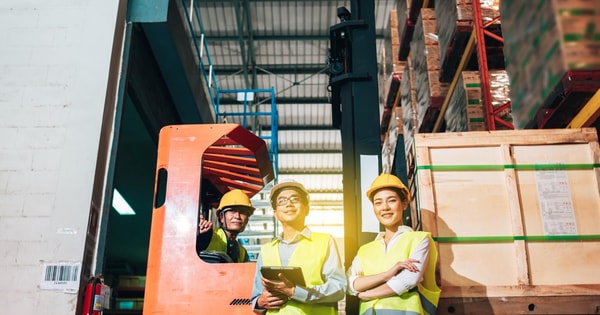
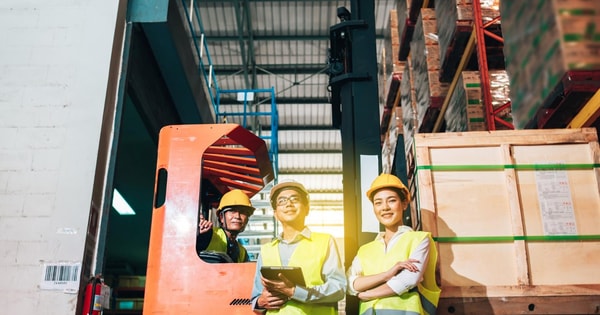
The logistics sector in Vietnam has witnessed a remarkable transformation over the last decade, maintaining an average annual growth rate of 14% to 16%. With a market scale now reaching approximately $40 to $42 billion, the nation has firmly established itself among the top 10 most attractive emerging logistics markets globally. However, beneath these impressive figures lies a significant challenge: a persistent shortage of high-quality logistics human resources in Vietnam, particularly those equipped with digital expertise and modern supply chain mindsets.
Key Takeaways
- Vietnam’s logistics market is growing at 14-16% annually, yet faces a critical shortage of skilled talent.
- Over 86% of logistics enterprises are currently undergoing or preparing for digital transformation.
- New “green skills” related to ESG and carbon emission tracking are becoming essential for international competition.
- Bridging the talent gap requires deep collaboration between universities and logistics providers through “logistics labs” and standardized training.
The Paradox of Growth and the Talent Gap
Despite the rapid expansion of the industry, many domestic firms are struggling to find personnel who can navigate the complexities of modern global trade. The shortage is no longer just about the quantity of workers but the quality of their specialized skills. Research from the Logistics Research and Development Institute (LIRC) indicates that by 2025–2028, the demand for personnel in port operations, multimodal transport, and warehouse management will increase by tens of thousands.
Currently, many Vietnamese logistics companies fall into a “talent trap.” While the demand for recruitment is high, candidates who possess both operational experience and digital literacy are rare. This forces many businesses to hire personnel from unrelated fields and invest heavily in retraining. It typically takes 6 to 12 months to bring a new hire up to speed on digital systems, and if that employee leaves, the costly training cycle must begin all over again.
Digital Transformation: The New Standard for Logistics Personnel
As digital transformation becomes the “new normal,” the requirements for logistics human resources in Vietnam have shifted. It is no longer enough to understand traditional documentation or vehicle dispatching. Today’s professionals must be proficient in managing complex technological ecosystems. A survey by the Ministry of Industry and Trade revealed that while 86.2% of enterprises are moving toward digitalization, a vast majority of their staff are not yet ready to operate advanced systems.
Mastering TMS, WMS, and Data Analytics
The modern logistics professional is expected to master tools such as Transportation Management Systems (TMS), Warehouse Management Systems (WMS), and the Internet of Things (IoT). These technologies are essential for optimizing routes and managing inventory in real-time. Furthermore, the ability to analyze Big Data and understand the applications of Artificial Intelligence (AI) and Blockchain is becoming a competitive necessity. Without these skills, domestic firms find it difficult to compete with international 3PL providers who have already standardized these digital competencies.
The Rise of Green Skills and ESG in Supply Chain Management
Beyond digital proficiency, the industry is now facing a demand for “green skills.” This shift is driven by global trends in Environmental, Social, and Governance (ESG) standards. International clients are increasingly requiring “Scope 3” emission reports, which track the carbon footprint across the entire supply chain. Consequently, logistics personnel must now know how to calculate emission factors, optimize loads to reduce CO2, and comply with environmental standards in port and warehouse operations.
This evolution means that a logistics coordinator is no longer just a “dispatcher” but a “supply chain architect” who must balance efficiency with sustainability. While these shifts in logistics human resources in Vietnam represent a significant long-term evolution, they do not currently necessitate immediate changes to daily trucking schedules or port drayage operations. Instead, they serve as a strategic roadmap for organizational growth and compliance over the coming years.
Bridging the Gap Through Industry-Academic Partnerships
To escape the talent shortage, a stronger link between educational institutions and the business community is vital. Initiatives like the Vietnam Logistics Education and Training (VLET) forum are helping to align university curricula with actual market needs. However, experts suggest that this collaboration must go deeper than just seminars. Businesses should participate in co-designing short-term courses for specialized skills like electronic customs declaration or IoT-based fleet management.
One innovative approach is the creation of “logistics labs” within universities, where students can practice on real data and live systems. By integrating digital modules and soft skills—such as data-driven thinking and cross-cultural communication—into the standard curriculum, graduates can become productive much faster upon entering the workforce. As a domestic logistics provider, Lê Chân Logistics understands that while technology drives efficiency, it is the expertise of our people that ensures seamless operations across the supply chain.
Strategic Investment in the Future of Logistics
In the era of digital and green transformation, training should no longer be viewed as a cost, but as a high-return investment. Companies that allocate 2% to 3% of their revenue toward human resource development often see superior labor productivity and employee retention. The National Digital Transformation Program to 2025 identifies digital human resources as a key pillar, with logistics being a priority sector. By standardizing competency frameworks and focusing on future-ready skills, Vietnam can ensure its logistics workforce is prepared to lead the industry into its next phase of growth.
Câu hỏi thường gặp (FAQ)
What is the current state of logistics human resources in Vietnam?
The industry is growing at 14-16% annually, but there is a critical shortage of high-quality talent. While the quantity of workers is increasing, there is a significant gap in digital skills, foreign language proficiency, and modern supply chain thinking.
Why is there a shortage of high-quality logistics personnel in Vietnam?
The shortage is driven by a rapid shift toward digital transformation and ESG standards that have outpaced traditional training methods. Many firms rely on ‘oral tradition’ and experience rather than standardized professional frameworks, leading to a 6-12 month training lag for new hires.
What are ‘green skills’ in the context of Vietnamese logistics?
Green skills involve the ability to understand and manage ESG requirements, such as calculating carbon emissions for different transport modes and optimizing routes to reduce environmental impact. These skills are becoming mandatory as international clients demand Scope 3 emission reporting.
How can Vietnamese logistics companies overcome the talent trap?
Companies can overcome this by treating training as a strategic investment, collaborating with universities to create ‘logistics labs,’ and adopting standardized competency frameworks. Investing 2-3% of revenue into digital and green skill development is recommended for long-term competitiveness.